After seven years of dedicated research and analysis, a striking shift has reemerged in US nuclear policy. President Donald Trump’s recent call to resume nuclear weapons testing reflects escalating global tensions and a changing geopolitical landscape that has driven Washington to reconsider long-standing restraint.
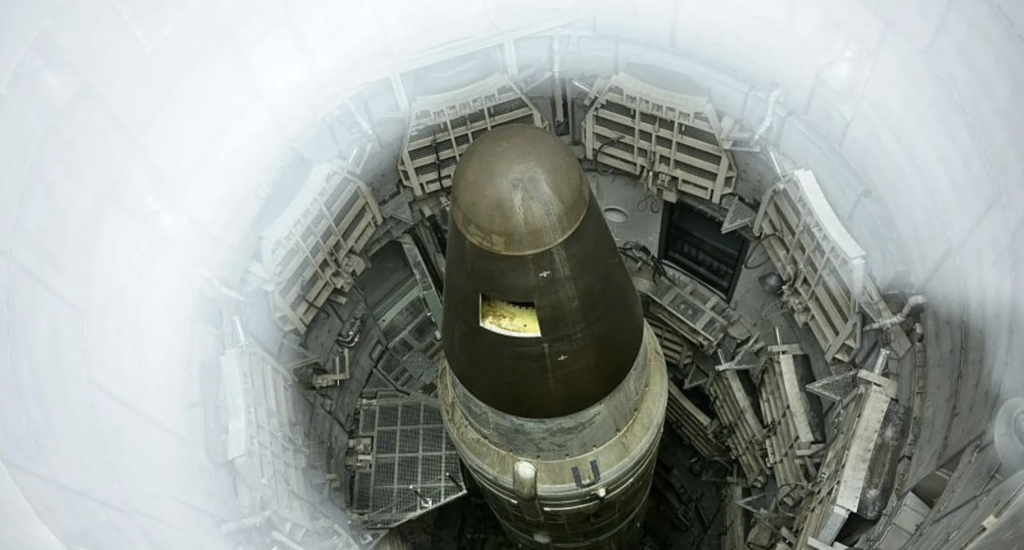
The US has not tested nuclear weapons since 1992, when a moratorium was established at the close of the Cold War. Over the ensuing decades, arms control treaties like the New Strategic Arms Reduction Treaty (New Start) aimed to limit nuclear arsenals sustainably. But recent developments have challenged this stability.
Russia’s recent unveiling of novel weapons and China’s doubling of its nuclear arsenal over five years have intensified fears about US strategic supremacy. Trump’s directive to the Department of War to restart testing signals an effort to keep pace with these developments.
“The global balance is shifting rapidly,” said a former Pentagon official. “Resuming testing is seen as necessary to maintain our deterrent.”
Yet the issue remains deeply controversial. The last US test, Project Divider, occurred in Nevada in 1992, a site still maintained for possible future tests. Advocates argue resumption will modernize an aging arsenal; critics warn it risks igniting an arms race.
Human rights groups emphasize the profound consequences of nuclear detonations, both environmental and humanitarian. International watchdogs and diplomatic voices urge renewed commitment to disarmament.
The timing is sensitive, coming just months before the expiration of the New Start treaty in February 2026. The US and Russia remain bound to limits of 1,550 deployed warheads, a balance fragile under current strains.
Trump’s announcement also coincided with a diplomatic meeting with Chinese President Xi Jinping, underscoring the high-stakes strategic diplomacy underway.
Seven years of inquiry reveal a nation grappling with legacy, security, and morality amid a volatile world. As the US navigates its path forward, the global community will watch whether this nuclear era advances towards risk or restraint.