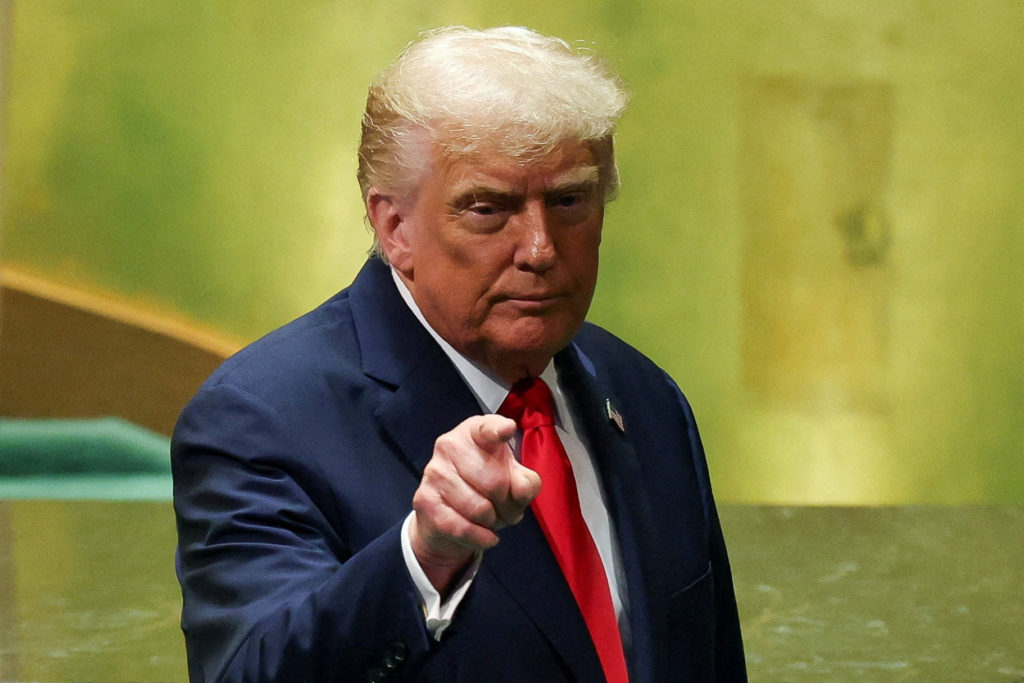
On September 25, 2025, President Donald Trump signed an order to fully enforce federal death penalty laws in Washington D.C., aiming to combat what he termed a “crime emergency” fueled by the city’s lenient policies.
The move, which interferes with local D.C. law that abolished capital punishment in 1981 (according to local reports), directs Attorney General Pam Bondi and the U.S. Attorney for D.C. to pursue the death penalty in all eligible cases and seek federal jurisdiction to the maximum extent.
Trump asserted that anyone who murders a citizen or law enforcement officer should face immediate execution, hoping this will deter the high rate of violence.1 D.C.’s homicide rate of 27.3 per 100,000 residents in 2024 was cited as a major concern (according to White House data).2
Historically, D.C. residents rejected the reinstatement of the death penalty in a 1992 referendum.3 Trump’s order is part of a broader push for the death penalty to be used across all states, exemplified by his recent call for capital punishment for the individual charged with killing conservative activist Charlie Kirk in Utah.