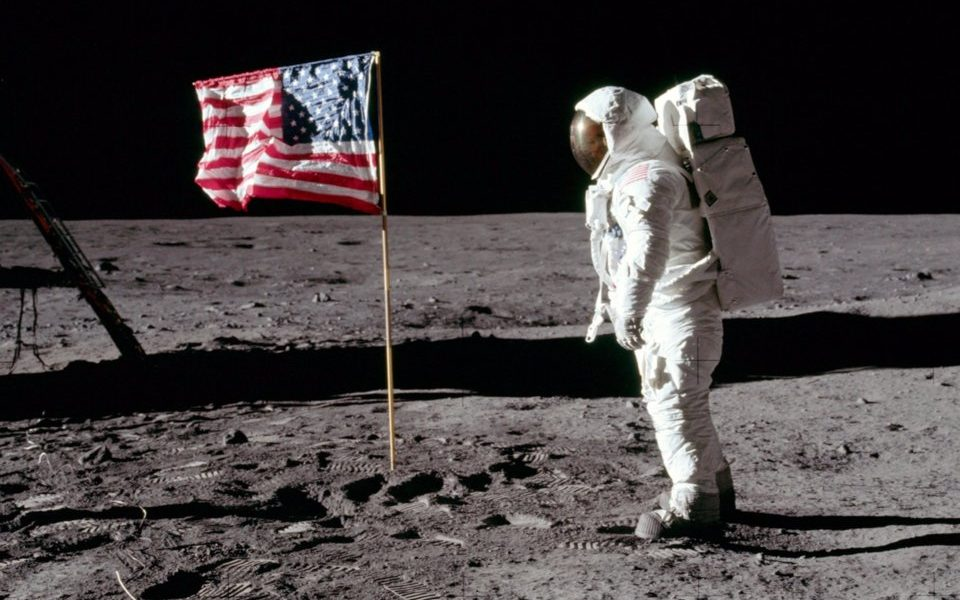
The era of merely visiting the Moon is over. Humanity now stands at a pivotal moment armed with the technology and ambition to establish a lasting lunar foothold. No longer about symbolic flag-planting, this new vision envisions a self-sustaining outpost a “second, slightly rockier suburb of Earth,” complete with shelters, rovers, reactors, and explorers.
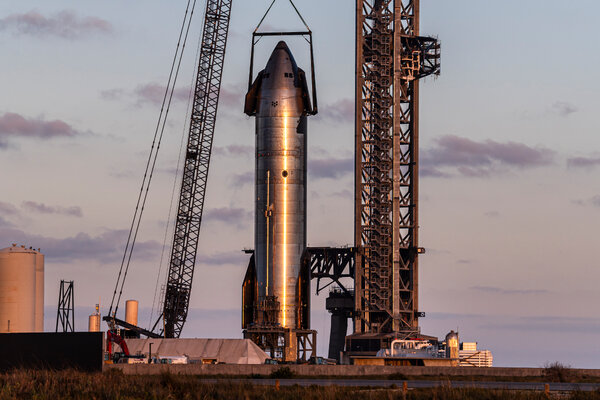
At the heart of this transformation is SpaceX’s Starship, the vehicle many believe will turn lunar dreams into permanent addresses. With the capacity to deliver 100 metric tons of cargo and a pressurized volume exceeding 600 m³ nearly two-thirds the size of the International Space Station Starship represents a new scale of space logistics. Its full reusability could make repeated Moon missions not just possible, but economically practical.
Crucially, SpaceX is self-funding more than 90% of Starship’s core development, minimizing taxpayer risk under NASA’s fixed-price Artemis contract. While skeptics question orbital refueling, mass production, and heavy lunar landings, SpaceX is testing these very frontiers from in-orbit engine relights to rapid vehicle assembly.
The stakes are enormous. Advocates argue this isn’t about “returning” to the Moon but claiming it for real positioning the U.S. at the forefront of a new era in off-world civilization.